Moles, Skin Tags & Warts | Medical Bloom Korean Medicine Clinic · COEX

As if it was never there: the start of clear skin
Treatment Time
Approx. 10 min
Downtime
Return to everyday activities immediately
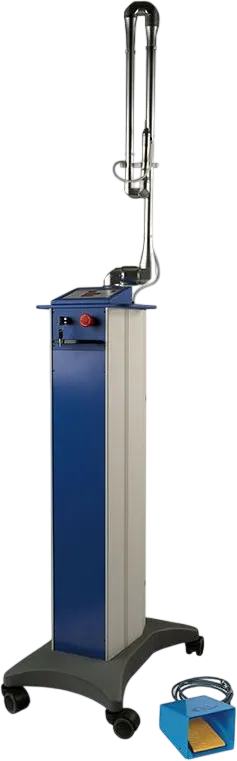
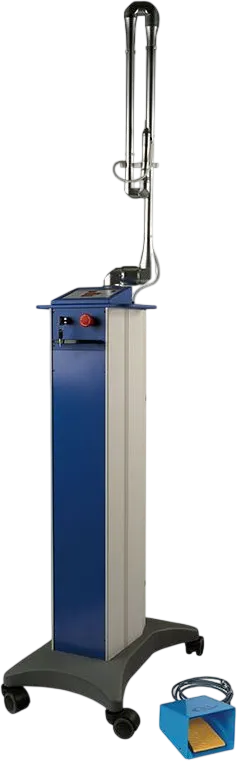
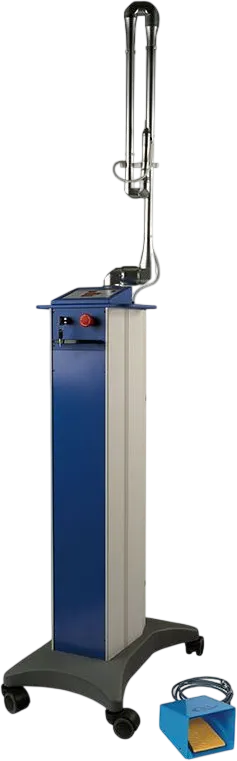
What is a CO2 laser?
The CO2 laser works precisely according to skin condition
to treat lesions effectively.
Minimizes irritation to surrounding skin for more stable lesion removal.
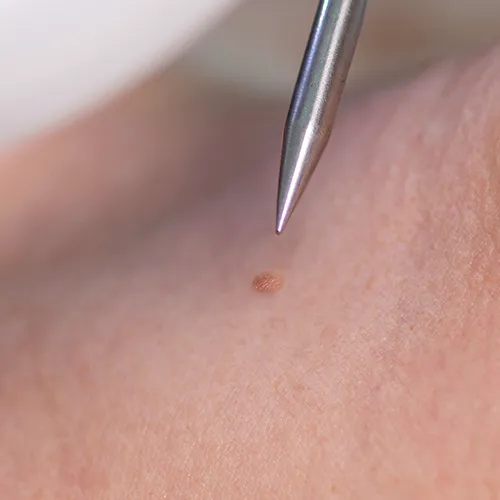
Caused by human papillomavirus (HPV) infection that makes skin overgrow, a viral skin condition. It appears on the hands, feet, face, and elsewhere, and can spread through contact.
Picking at or removing warts yourself raises the risk of spreading or recurrence, so professional treatment is needed.
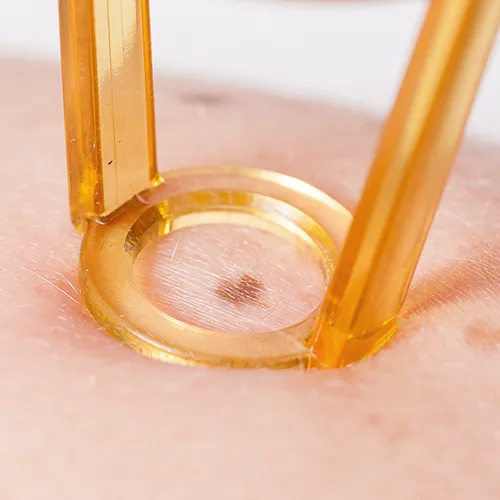
Melanin gathers locally in the skin, forming a pigmented lesion. Moles may be congenital or develop later due to UV exposure or skin irritation, and vary in color, size, and depth.
Scratching a mole or removing it with a knife or needle risks scarring, pigmentation, and recurrence, so accurately diagnosing its type and depth is important.
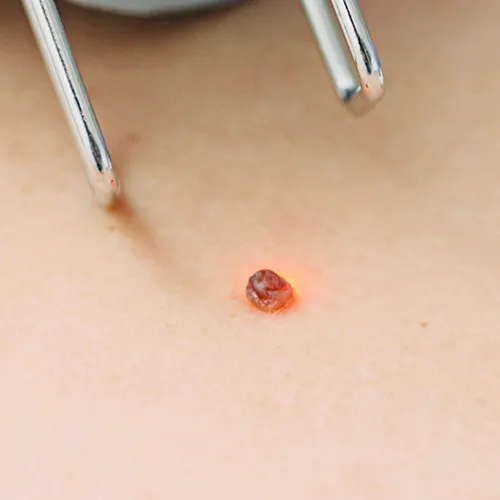
Caused by abnormal growth of skin fibers: soft fibroma (acrochordon).
Removing skin tags at home with nail clippers risks bacterial infection, so it is safer to have them removed after a proper clinical diagnosis.
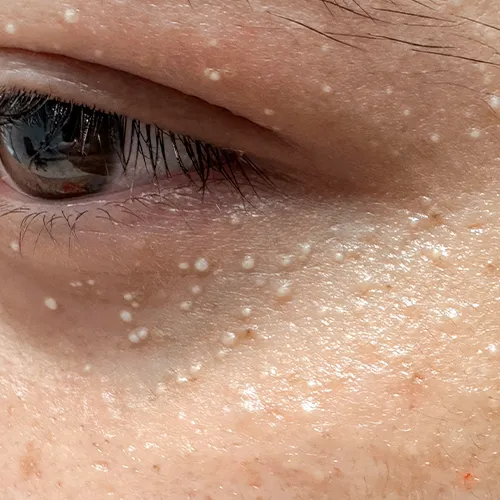
Keratin or sebum trapped under the skin, forming bumpy white or yellow keratin cysts.
Squeezing milia or removing them with a needle may leave inflammation, pigmentation, or scars, so safe removal after an accurate diagnosis is necessary.
As if it was never there: the start of clear skin
Improves moles, skin tags, warts, and milia —
a CO2 laser treatment effective
for evening out the overall skin.
Medical Bloom treats epidermal lesions
in a way that avoids damaging the surrounding skin,
minimizing tissue damage to ease concerns about scarring.
Treatment Time Approx. 10 min | Downtime Return to everyday activities immediately |
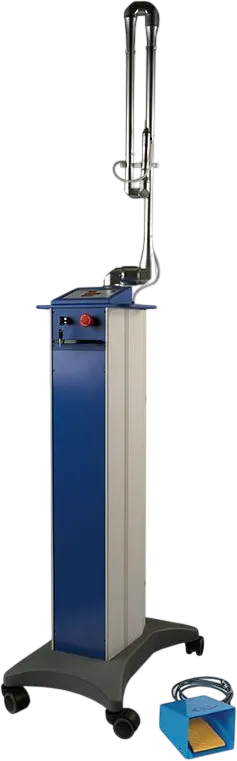
What is a CO2 laser?
The CO2 laser works precisely according to skin condition
to treat lesions effectively.
Minimizes irritation to surrounding skin
for more stable lesion removal.
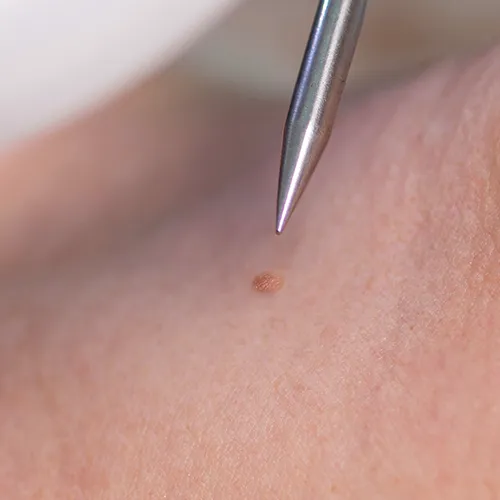
Caused by human papillomavirus (HPV) infection that makes skin overgrow, a viral skin condition. It appears on the hands, feet, face, and elsewhere, and can spread through contact.
Picking at or removing warts yourself raises the risk of spreading or recurrence, so professional treatment is needed.
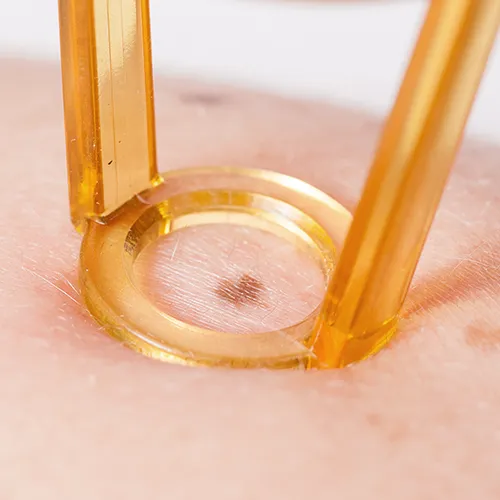
Melanin gathers locally in the skin, forming a pigmented lesion. Moles may be congenital or develop later due to UV exposure or skin irritation, and vary in color, size, and depth.
Scratching a mole or removing it with a knife or needle risks scarring, pigmentation, and recurrence, so accurately diagnosing its type and depth is important.
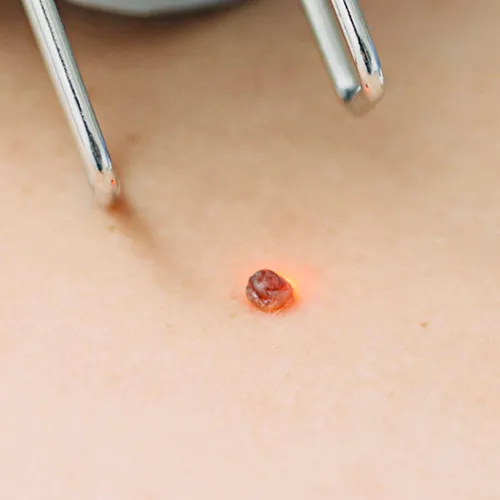
Caused by abnormal growth of skin fibers: soft fibroma (acrochordon).
Removing skin tags at home with nail clippers risks bacterial infection, so it is safer to have them removed after a proper clinical diagnosis.
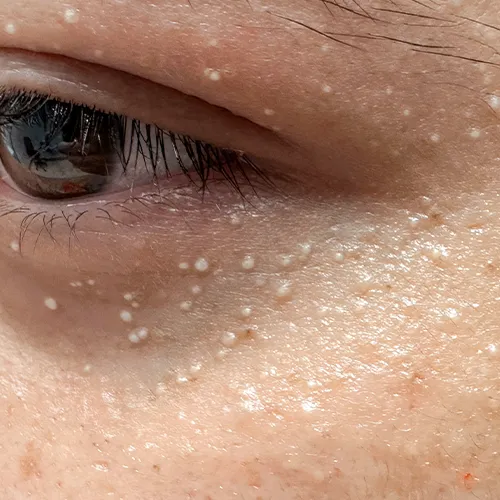
Keratin or sebum trapped under the skin, forming bumpy white or yellow keratin cysts.
Squeezing milia or removing them with a needle may leave inflammation, pigmentation, or scars, so safe removal after an accurate diagnosis is necessary.
CO2 laser: advantages
Lesions such as moles, milia, warts, and skin tags
on the skin surface or in shallow layers
can be removed selectively without damaging surrounding normal tissue.
The CO2 laser has minimal heat spread, so
irritation to normal skin outside the treatment area is minimized.
With less pain and fewer side effects, it can be used
even on sensitive areas.
Less tissue damage lowers the risk of excessive scarring or
pigmentation, and effectively supports the skin's natural
recovery process.
Recovery is short, so you can return to daily life quickly —
even busy professionals can fit it in easily.
CO2 laser: advantages
The CO2 laser used to remove moles, skin tags, and warts
delivers light energy of a specific wavelength that is selectively absorbed by the lesion,
allowing precise and safe treatment.
Lesions on the skin surface or in shallow layers, such as moles, milia, warts, and skin tags,
can be removed selectively without damaging surrounding normal tissue.
The CO2 laser has minimal heat spread, minimizing irritation to normal skin outside the treatment area.
With less pain and fewer side effects, it can be used even on sensitive areas.
Less tissue damage lowers the risk of excessive scarring or pigmentation,
and effectively supports the skin's natural recovery.
Recovery is short, so you can return to daily life quickly —
even busy professionals can fit it in easily.
At Medical Bloom, mole, skin tag, and wart treatment
considers precise lesion removal, safety,
and recovery,
and is tailored to each person's skin condition and lesion type.



Who is CO2 laser for?
Those concerned about pigmentation
Those who want to improve surface concerns such as moles and milia
Those who want clear skin
Those bothered by visible lesions that make skin look untidy
Those seeking a gentle approach to scar treatment
Those who are concerned about marks or pigmentation after the procedure
Those who want regeneration, not just removal
Those who want recovery and regeneration after lesion removal
With a method suited to each person
and precise care,
we help you achieve clear skin.
Discover it now at Medical Bloom.
At Medical Bloom, mole, skin tag, and wart treatment
Considering precise lesion removal, safety, and recovery,
we tailor treatment to each person's skin condition and lesion type.



Who is CO2 laser for?
Those concerned about pigmentation
Those who want to improve surface concerns
for those who want improvement
Those who want clear skin
Those bothered by visible lesions
that make skin look untidy
Those seeking a gentle approach to scar treatment
Those concerned about marks or
pigmentation after treatment
Those who want regeneration, not just removal
Those who want recovery and regeneration
after lesion removal
Frequently Asked Questions
What lesions can be removed?
We remove lesions on the surface or in shallow layers of the skin — such as moles, skin tags, warts and milia — with a CO2 laser.
Can I remove them at home?
Picking or squeezing them yourself can cause infection, scarring, pigmentation or recurrence, so it is safer to have them diagnosed and removed at a clinic.
How long does it take, and what about recovery?
About 10 minutes, and you can return to normal activities right away.