 한국어
한국어 日本語
日本語 English
 简体中文
简体中文
Melasma and Dark Spots near Seolleung Station: Check Your Pigment Type Before Toning
Melasma is classified by depth as epidermal, dermal or mixed, and it can darken or come back after lasers or peels, so the right order is to check your pigment type before treatment. Here are four things to check at your consultation, daily care, and how pigmentation consultations work at Medical Bloom Korean Medicine Clinic · COEX.
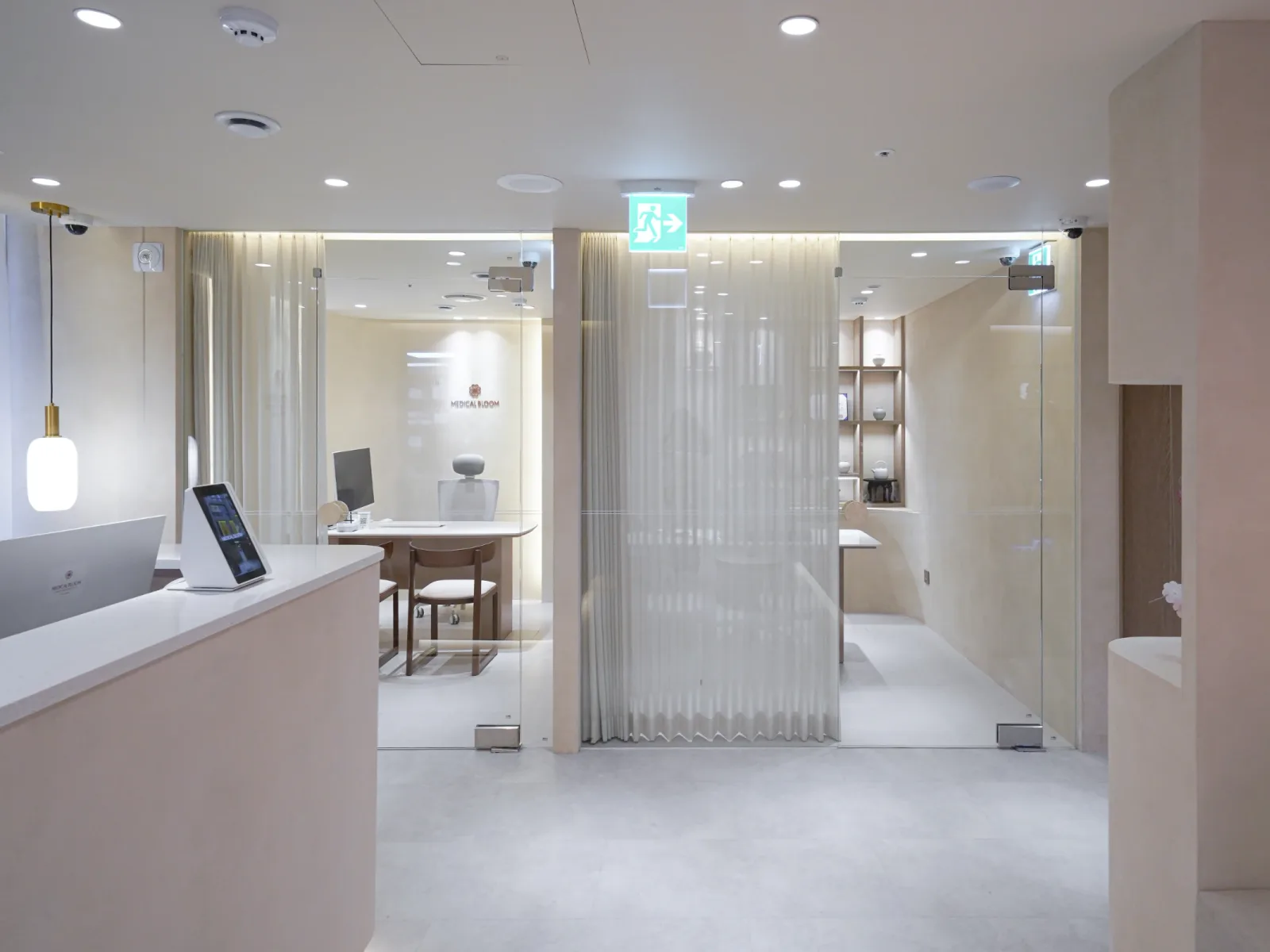
If melasma and dark spots both bother you, the right order is to have the type and depth of the pigment examined before deciding how many toning sessions to get. Melasma is divided into epidermal, dermal and mixed types that respond differently, and it can darken or come back after lasers or peels. When choosing where to consult, check whether the pigments are explained by type, whether lifestyle factors such as sunlight and hormones are asked about, whether daily care like sun protection is discussed along with treatment, and whether the possibility of recurrence and realistic goals are set together. Medical Bloom Korean Medicine Clinic · COEX offers pigmentation consultations, a 4-minute walk from Seolleung Station exits 9–10.
Written by: Lee Ji-seung, Medical Director (Korean Medicine Doctor, PhD in Eastern and Western Medicine) · Date: 2026.10.8
Medical Bloom Korean Medicine Clinic · COEX is a Korean Medicine clinic in Samseong-dong, Gangnam-gu, offering care for pigmentation, lifting and skin boosters. We often hear, "I've had toning many times, but my melasma is still there." This article focuses on what to check first, before choosing a treatment.
Melasma responds differently depending on its depth
DermNet, a New Zealand skin information site, explains that melasma is classified by the depth of the pigment as epidermal, dermal or mixed, and that the mixed type is the most common.
| Melasma type | How DermNet describes it | Response to treatment |
|---|---|---|
| Epidermal | Relatively well-defined, dark brown | Tends to respond relatively well |
| Dermal | Ill-defined, light brown to blue-grey | Tends to respond slowly |
| Mixed | A combination of the two | Often partly improves |
The same article explains that diagnosis is usually made by visual examination, and that a Wood's lamp or skin magnifier (dermoscopy) can help estimate the depth. If you were told at your consultation "what kind of pigment this area appears to be," you have received a pigmentation examination.
Melasma and dark spots can be different
Dark spots such as freckles or lentigines differ from melasma in cause and response. Several kinds of pigment are often mixed on one face, so ask to have them explained area by area.
Lifestyle factors that darken melasma
DermNet lists the factors behind melasma as genetics, ultraviolet and visible light, hormonal changes such as pregnancy and hormonal contraceptives, thyroid disease, and some scented cleansers and cosmetics. It also notes that about 60% of people have a family member with melasma.
Noting the following before your consultation will make it easier to understand the examination results.
- When the melasma first appeared and how it changes with the seasons
- Pregnancy or childbirth, and whether you take hormonal medication
- Names and number of previous laser treatments or peels, and whether your skin ever darkened afterward
- Your usual sunscreen habits and time spent outdoors
- Photos of your face taken under the same lighting
Four criteria for choosing where to consult about pigmentation near Seolleung and Samseong Stations
1. Is the pigment explained by type and depth?
Check whether melasma, dark spots and marks left after inflammation are explained separately. If the consultation starts by deciding on treatment names and the number of sessions, we recommend asking about the examination findings again.
2. Are the limits of lasers and peels discussed?
DermNet explains that peels and lasers can worsen melasma or leave post-inflammatory hyperpigmentation, and that the risk of relapse is high after laser, IPL or microneedling treatment. If toning is recommended, ask why that method was chosen and how it will be adjusted if your skin starts to darken.
3. Is daily care discussed along with treatment?
DermNet recommends a broad-brimmed hat and consistent use of a broad-spectrum SPF50+ sunscreen containing iron oxides, which also block visible light. A key point of comparison is whether only treatment is discussed, or whether sunscreen and lifestyle habits are covered too.
4. Are the possibility of recurrence and realistic goals set?
DermNet explains that long-standing melasma responds more slowly and can come back with summer sun even after it has improved. A consultation that sets specific improvement and maintenance goals is more realistic than one promising to "remove it completely."
Consulting about pigmentation at Medical Bloom Korean Medicine Clinic · COEX
Here is what you can confirm from our official information.
- Pigmentation Contactor: Our Pigmentation Contactor page describes it as a skin booster using PDRN and antioxidant ingredients, with 3–5 or more sessions recommended.
- Dual Toning: Our Dual Toning page describes combining Fotona QX-MAX and Genesis Toning. QX-MAX takes about 5–10 minutes and Genesis Toning about 10 minutes.
- Laser Toning: Depending on the examination, we also explain Laser Toning.
- How consultations work: We first check your pigmentation with an Advanced Skin Analysis, then decide the areas and method in a 1:1 consultation with the doctor.
- Location and hours: 2F, 37-3 Seolleung-ro 92-gil (Samseong-dong), Gangnam-gu, Seoul, a 4-minute walk from Seolleung Station exits 9–10. Open weekdays 10:00–19:00 and Saturdays and public holidays 10:00–17:00; closed Sundays. No lunch break; by appointment.
The number of sessions needed, expected results and costs cannot be determined before an examination, so they are not included in this article.
Frequently Asked Questions
Q. Will toning get rid of my melasma?
The response differs depending on the melasma type, its depth and lifestyle factors. According to DermNet, melasma responds slowly and can come back, so it is important to set improvement and maintenance goals together.
Q. My melasma darkened after summer. Can I have treatment right away?
The right order is to check the pigment type with an examination first. If you have had a lot of sun exposure recently, please be sure to tell us at your consultation. The timing of treatment may be adjusted depending on your skin condition.
Q. What sunscreen should I use?
DermNet recommends a broad-spectrum SPF50+ sunscreen containing iron oxides, which also block visible light. Check which product suits your skin type at your consultation.
Q. Can I have pigmentation treatment if I have sensitive skin?
We check your skin condition first and then decide on the method. If your skin has ever turned red or darkened after a treatment, please tell us at your consultation.
Temporary redness, swelling, a feeling of heat or temporary changes in pigmentation may occur after treatment, and results and side effects can vary from person to person. Please consult thoroughly with our medical staff before treatment.
If you would like to start by calmly checking the type of your melasma and dark spots, contact us via Naver Booking or KakaoTalk consultation. Medical Bloom Korean Medicine Clinic · COEX is a 4-minute walk from Seolleung Station exits 9–10.
References
- DermNet, Melasma (revised 2025.12)
* This article is for medical information purposes. Results and recovery vary by individual; an in-clinic consultation is required for an accurate diagnosis and treatment plan.
More articles
- Skin Treatment Consultations During a COEX Business Trip or Seoul Visit: How to Match Your Flight Home and Recovery Time
- Before Booking Skin Boosters: How to Get Ingredients, Delivery Method, Sessions and Total Cost Explained (Samseong Station & COEX)
- Ultherapy PRIME vs Thermage FLX: How to Get Them Explained for Your Own Concerns near Samseong Station
- Acne Scar Consultations near Samseong Station & COEX: How to Choose a Clinic That Checks Your Scar Type First