
Samseong & COEX: Can Scar Needle Treat Surgical Scars?
Treatment for surgical scars can begin once the wound has healed. Lee Ji-seung of Medical Bloom Korean Medicine Clinic · COEX explains how treatment differs by scar type and what to watch for if you are prone to keloids.
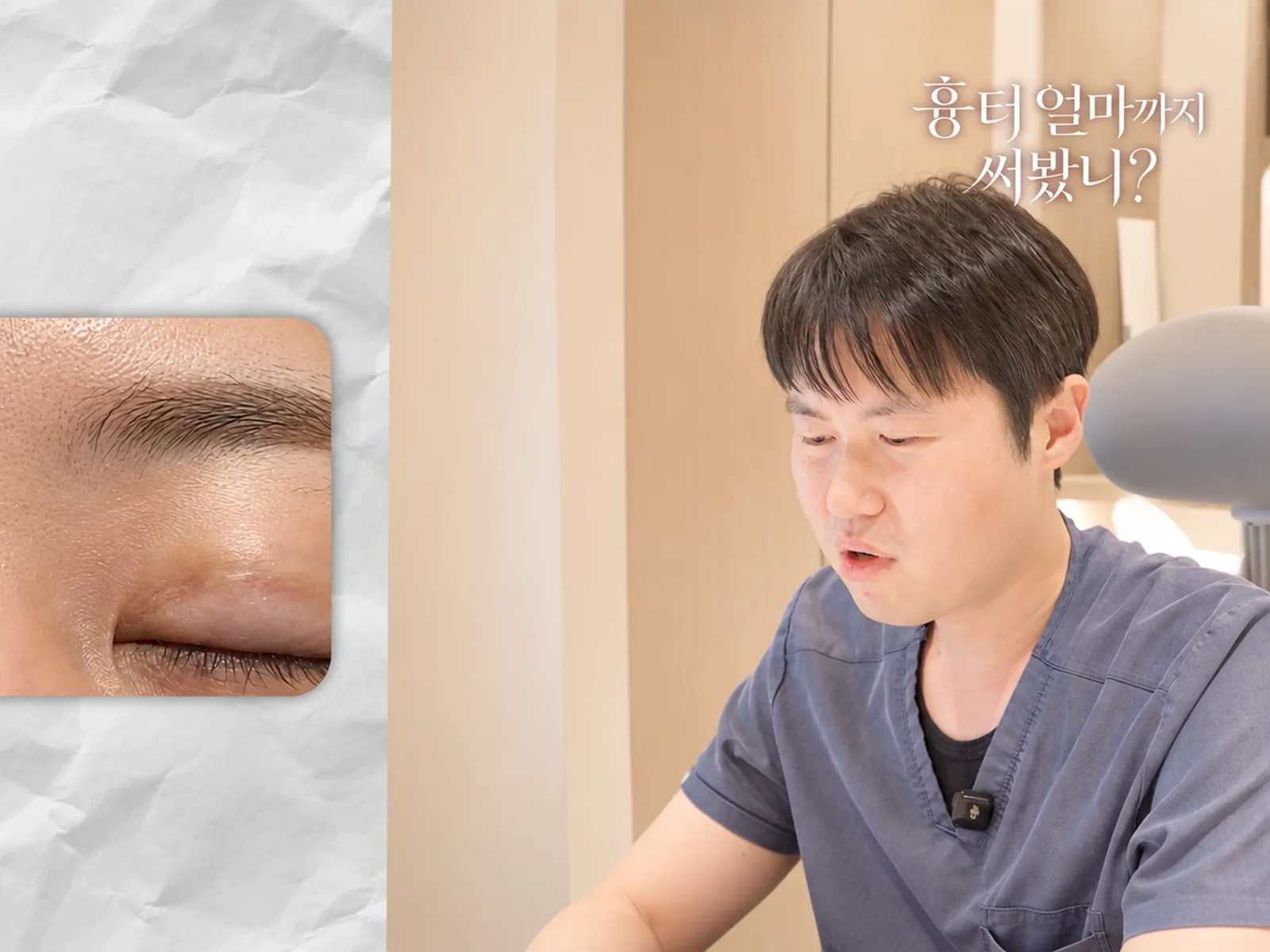
Summary: If you are looking into treatment for scars from surgery or accidents near Samseong Station and COEX, scar needle treatment can begin one month after the wound has healed. However, raised red hypertrophic scars and keloids call for a different approach from depressed scars, so we first check the type of scar and when it formed.
Written by: Lee Ji-seung, Medical Director (Korean Medicine Doctor, PhD in Eastern and Western Medicine) · Date: 2026.11.9
Hello, I'm Lee Ji-seung, Medical Director of Medical Bloom Korean Medicine Clinic · COEX. Scar consultations are not only about acne scars. Many people also come in asking, "Can you treat the scar on my forehead from a childhood injury?" or "My surgical scar bothers me."
Types of Surgical and Injury Scars
Surgical and injury scars take different shapes depending on how much collagen formed while the wound healed.
- Flat scars — Level with the surrounding skin; only the color and texture differ. Treatment aims to even out color and skin texture.
- Depressed scars — Sunken below the surrounding skin, casting a shadow. Treatment helps the base of the scar recover.
- Hypertrophic scars — Raised and red but confined to the original wound. Treatment to flatten the raised tissue comes first.
- Keloids — Grow beyond the original wound and may itch or hurt. Avoiding irritation and seeing a specialist come first.
Within a single scar, some parts may be depressed while others are raised, so I shine a light at an angle and record each part separately.
When Can Treatment Begin?
Even after a wound heals, a scar keeps changing shape over several months. It often starts out red and firm, then gradually fades and softens. We begin scar treatment consultations once the wound has fully closed and wound care at the hospital where you had surgery is complete.
- Right after the wound heals — Sun protection and the wound care provided by your surgical hospital come first.
- One month after the wound has healed — Scar needle treatment can begin from this point. We assess the type of scar and plan your treatment.
- Old scars — Their shape has settled, so treatment can begin as long as the scar type is suitable.
Scars Suited to Scar Needle and Scars That Need Other Care First
BLOOM scar needle uses fine needles to stimulate the hardened tissue at the base of depressed scars, supporting the skin's own recovery process. That is why it is mainly used for flat scars and depressed scars. It can also treat white scars left by suture marks after plastic surgery.
On the other hand, for raised red hypertrophic scars and keloids, treatments that stimulate the scar can make the problem worse. In those cases, I do not recommend scar needle and instead guide you to care that addresses the raised scar first. Silicone gel or sheets are widely recommended for managing hypertrophic scars.
If You Are Prone to Keloids, Please Tell Us in Advance
A keloid is a condition in which inflammation continues in the dermis even after the wound has healed, causing the scar to grow. If a family member has keloids, or if a piercing or vaccination site has ever swollen up, please be sure to mention it during your consultation.
Some areas, such as the chest, shoulders and earlobes, are especially prone to keloids. For scars in these areas, we decide on treatment even more carefully than for facial scars.
What to Prepare Before Your Consultation
- The date of your surgery or accident, and any instructions from the hospital where you had surgery
- Whether the scar has grown since it formed, and whether it itches or hurts
- Any ointments or silicone products you are currently applying
- Whether you or your family have keloids
Frequently Asked Questions
Q. Can a surgical scar from 10 years ago be treated?
Old scars have a settled shape, which actually makes it easier to plan treatment. However, how much change is possible depends on how firmly the scar has hardened (individual results vary), so at the first consultation we look at both its depth and firmness.
Q. Do you treat C-section scars?
Yes, you can come in for a consultation. C-section scars are sometimes raised as hypertrophic scars, so we first check the type of scar and then decide on the treatment approach. Scar needle can treat scars on the body as well as the face.
Q. Should I keep applying scar ointment?
Yes, you can apply a regenerative ointment right after the procedure. Our Korean Medicine clinic prescribes a regenerative ointment made from natural ingredients, and if your surgical hospital recommended a product, please bring it to your consultation.
Temporary redness, swelling, bruising, scabbing or pigmentation may occur after the procedure, and results and side effects can vary from person to person. Please consult thoroughly with your clinician before undergoing a procedure.
At Medical Bloom Korean Medicine Clinic · COEX, we look at the type of scar, when it formed and your constitution together, and start by advising whether scar needle is right for you. If you have an old surgical scar or a scar from an injury, please feel free to contact us. Medical Bloom Korean Medicine Clinic · COEX is a 4-minute walk from Exits 9·10 of Seolleung Station.
References
- Gold MH, Berman B, Clementoni MT, Gauglitz GG, Nahai F, Murcia C. Updated international clinical recommendations on scar management: part 1 — evaluating the evidence. Dermatol Surg. 2014;40(8):817-824.
- Ogawa R. Keloid and Hypertrophic Scars Are the Result of Chronic Inflammation in the Reticular Dermis. Int J Mol Sci. 2017;18(3):606.
* This article is for medical information purposes. Results and recovery vary by individual; an in-clinic consultation is required for an accurate diagnosis and treatment plan.