 한국어
한국어 日本語
日本語 English
 简体中文
简体中文
Does Popping Pimples Cause Scars? 5 Habits That Leave Acne Scars
Popping pimples by hand can push inflammation deeper and leave pitted scars and marks. Medical Bloom Korean Medicine Clinic · COEX explains the habits that cause scarring and how to care for skin if you have already squeezed a pimple.
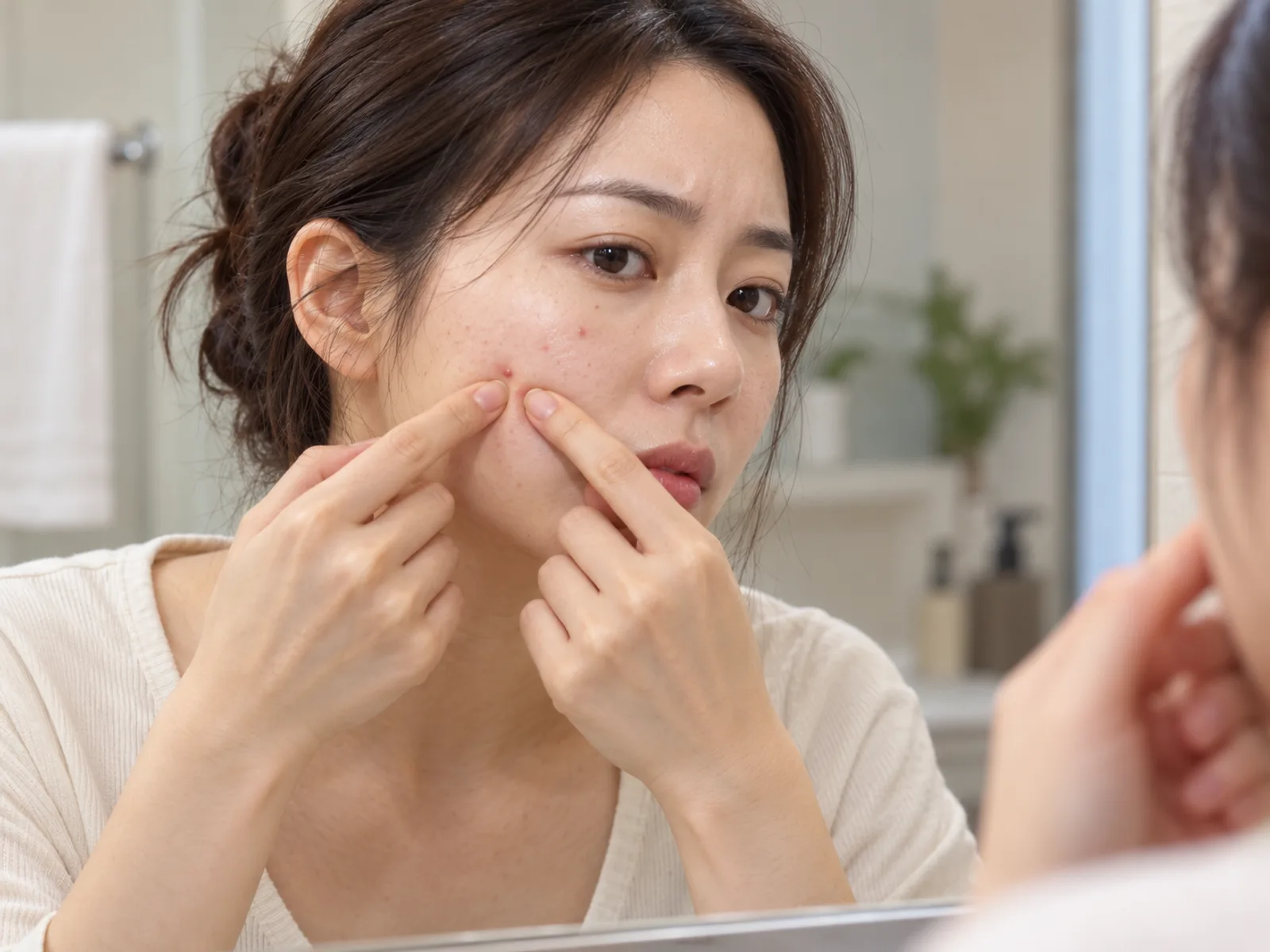
Summary: Popping a pimple by hand can spread inflammation into deeper layers of the skin or rupture the pore wall, raising the risk of pitted scars and pigment marks. Do not squeeze red, firm pimples, and if extraction is needed, it is safer to have it done in a sterile setting.
Written by: Lee Ji-seung, Medical Director (Korean Medicine Doctor, PhD in Eastern and Western Medicine) · Date: 2026.10.12
Hello, I am Lee Ji-seung, Medical Director of Medical Bloom Korean Medicine Clinic · COEX. In scar consultations, many people tell me, "I used to pop my pimples a lot." Scars are much easier to prevent before they form than to treat afterward. Today I will explain why popping pimples leaves scars and which habits make scarring more likely.
Why Does Popping Leave Scars?
A pimple is inflammation and sebum trapped inside a pore. When you squeeze it with your fingers, the contents do not only come out. Some of them break through the pore wall and are pushed deeper into the skin. The inflammation then spreads into the dermis, and if not enough collagen is rebuilt during healing, the spot is left as a pitted scar.
Bacteria from your hands can also get into the wound and make the inflammation worse. And the longer inflammation lasts, the more melanin builds up, making brown marks more likely. In scar consultations, I always ask when the scars formed and how the acne was handled at the time. If those habits continue today, new scars can keep forming.
✅ CHECK POINT: 5 Habits That Leave Scars
- Popping pimples by hand — The most common habit and the one with the biggest impact. Squeezing red, firm pimples in particular makes the wound deeper.
- Picking scabs — A scab is a cover that protects the wound and helps it heal. Removing it early sends healing back to the start.
- Skipping sun protection — Skin where inflammation used to be is more sensitive to UV rays, so brown marks tend to darken and last longer.
- Scrubbing hard to remove dead skin — Grainy scrubs or rough towels add irritation to inflamed areas.
- Leaving inflammation untreated for a long time — The longer inflammation lasts, the deeper the damage to skin tissue.
If even one of these five applies to you, I recommend changing it starting today. Changing these habits alone can help reduce new marks and scars (results vary from person to person).
Pimples You Should Not Squeeze
How you handle a pimple depends on what it looks like.
- Small white or black bumps (comedones) — Squeezing them at home is not recommended. Check your cleansing and skincare first, and if needed, have them extracted in a sterile setting.
- Red pimples that hurt when pressed — Do not squeeze them. Wait until the inflammation settles, and see a doctor if it lasts a long time.
- Pimples with yellow pus in the center — Do not squeeze them. If one bursts on its own, do not press it and keep it clean.
- Large, firm, deep pimples — Never squeeze them. Please see a doctor soon.
Large, firm pimples release nothing when touched and only spread the inflammation. These are the pimples most likely to leave scars.
If You Have Already Squeezed It
- Do not press further, and rinse gently with clean water.
- If there is a wound, apply a thin layer of ointment or cover it with a pimple patch so your hands do not touch it.
- If a scab forms, leave it until it falls off on its own.
- Apply sunscreen during the day.
- See a doctor if the area becomes red and swollen, feels hot, or becomes more painful.
If the spot stays red for weeks after squeezing, or looks slightly sunken under angled light, it may be a mark or an early scar. At this stage the scar has not yet hardened, so simply reducing irritation and blocking UV can change how much remains (results vary from person to person). For these patients, I first explain how to care for the skin at home, and when needed, we plan treatment suited to their skin condition.
If pimples keep coming back in the same spot, it is more important to look at why they keep forming than at the habit of squeezing. Checking factors that trigger recurrence, such as sleep, stress, the menstrual cycle and skincare products, can reduce the pimples you feel the urge to squeeze in the first place.
Frequently Asked Questions
Q. Are comedone extractors okay to use?
Even the extractors used at home are hard to control and, if not properly sterilized, can leave wounds and inflammation. If you have many comedones, it is safer to have them extracted at a clinic.
Q. Do pimple patches help prevent scars?
Patches help by covering the wound so your hands cannot touch it and by keeping it moist. However, they cannot treat inflammation deep in the skin.
Q. What should I do about marks that have already formed?
Flat red or brown marks often fade over time. If marks last a long time or there are sunken areas, consider getting a consultation.
After acne extraction or scar treatment, temporary redness, swelling, bruising, scabbing or hyperpigmentation may occur, and results and side effects may vary from person to person. Please consult thoroughly with a medical professional before treatment.
At Medical Bloom Korean Medicine Clinic · COEX, we also care for acne at the stage before scars form. If you have pimples you keep squeezing, feel free to contact us before they turn into scars. Medical Bloom Korean Medicine Clinic · COEX is a 4-minute walk from Exits 9·10 of Seolleung Station.
References
- American Academy of Dermatology (AAD), Acne scars: Diagnosis and treatment (patient guide)
- Fabbrocini G, et al. Acne scars: pathogenesis, classification and treatment. Dermatology Research and Practice. 2010.
* This article is for medical information purposes. Results and recovery vary by individual; an in-clinic consultation is required for an accurate diagnosis and treatment plan.